

Nature Immersion and Sustainable Living.
Himalayan retreats are focused on unity with the nature. The valley has usually incorporated sustainable living practices in its day-to-day activities to conserve the fragile mountain ecosystem.
The materials that are usually sourced locally and used in the retreat architecture include stone and wood. These materials are materials that naturally integrate into the environment and mitigate on the impact of transportation. Since they have energy-saving lights and water conservation mechanisms, they promote the responsible utilization of resources.
Visitors are also advised to engage in responsible eating. The respect to the landscape around can be seen in the simple practices, like reducing waste and saving water.
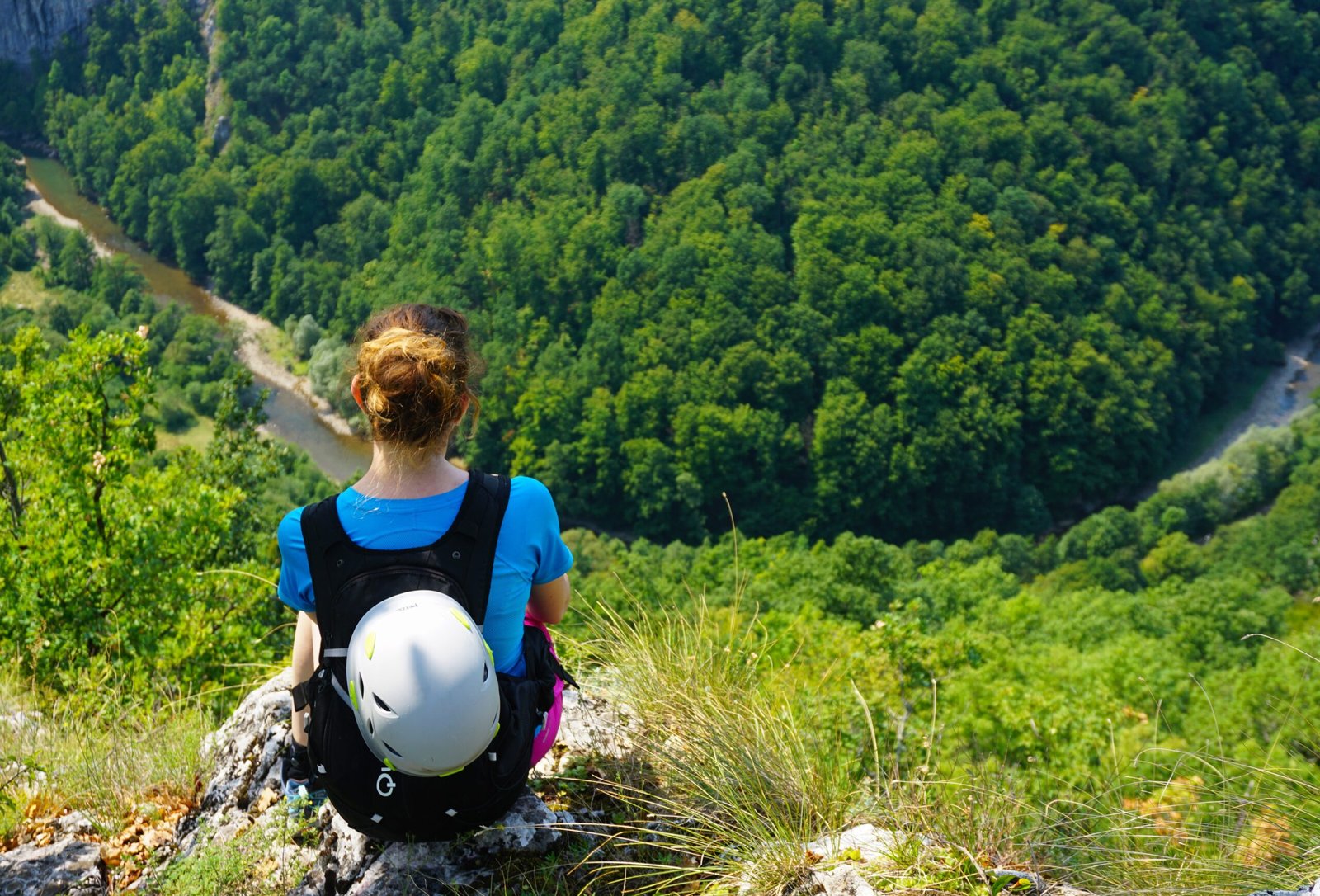
Sustainable nature goes past sustainability. Hiking through the mountain trails can enable the participants to see various flora and fauna. These events create a sense of appreciation of environmentally balanced conditions.
The seasonal consciousness is also a factor. Retreat programs follow the weather conditions and the daylight variations to be safe and comfortable with not harming the environment.
Organic farms are usually grown on the premises, providing fresh food to be put on food. The farm-to-table operations decrease the impact on the environment and increase the nutritional content.
The natural nature of the mountains is maintained by silence and low levels of light pollution. The unclouded night skies provide the chance to have quiet reflections with visible constellations.
ARIZONASANDS.COM discusses the concept of the combination of sustainable practices and immersion in nature to build responsible mountain retreats.
Not just being environmentally conscious, but also living in harmony with nature makes people even more mindful and closer to the personal well-being and the world around.